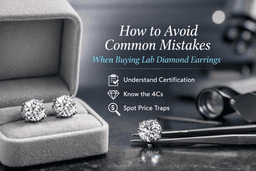
How to Avoid Fake Lab Grown Diamond Earrings
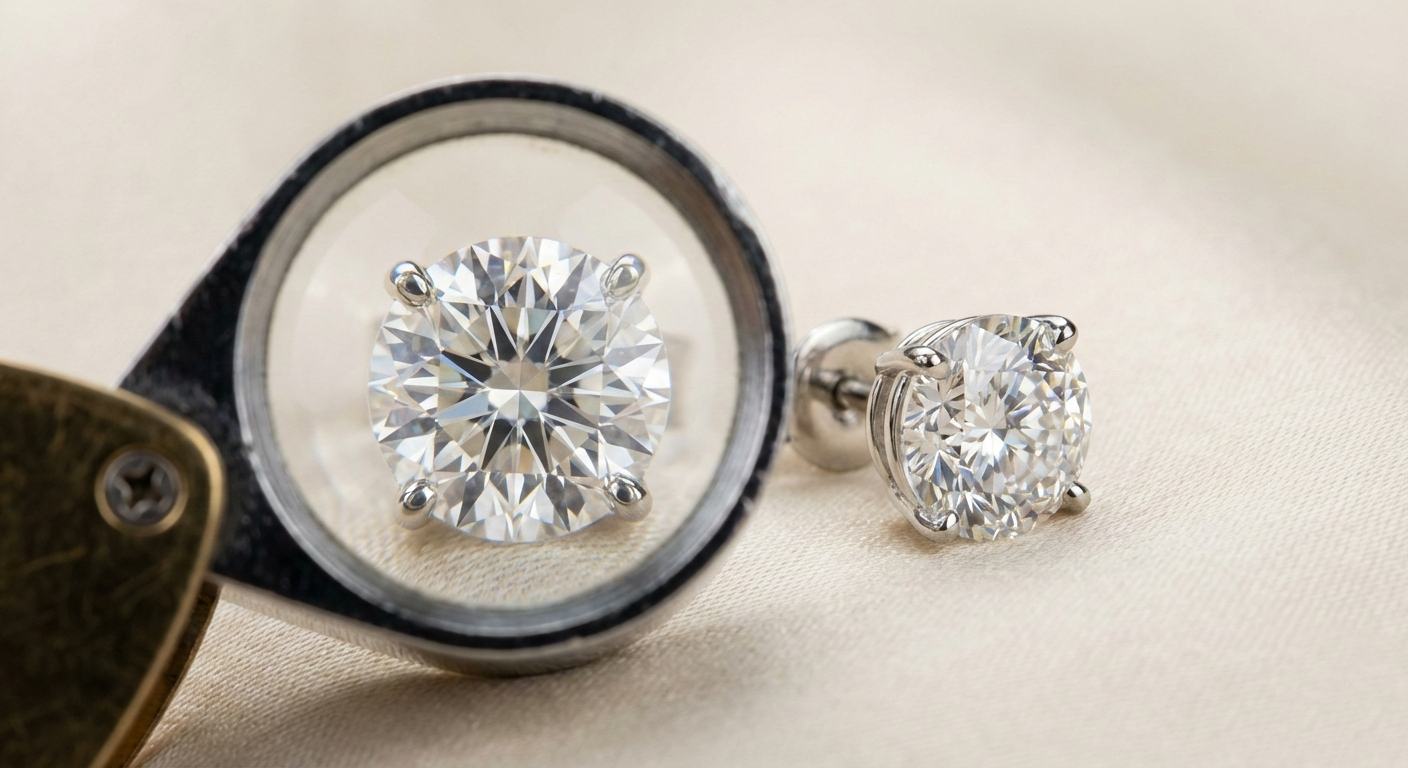
Buying a lab grown diamond earring is a smart choice for many jewellery buyers today. These diamonds offer the same beauty and sparkle as natural diamonds but at a more affordable price. However, as lab grown jewellery becomes more popular, fake lab grown diamond earrings are also entering the market. Some sellers use cheap stones and market them as real lab grown diamonds, which can mislead buyers.
Jewellery purchases are often emotional and meaningful. Whether you are buying earrings for yourself or as a gift, knowing how to identify genuine lab grown diamond earrings can save you from scams. This guide will help you understand what to look for, what to avoid, and how to buy with confidence.
Understanding Lab Grown Diamond Earrings
What Are Lab Grown Diamonds?
Lab grown diamonds are real diamonds created in a laboratory using advanced technology. They have the same chemical structure, hardness, and sparkle as natural diamonds. The only difference is that they are grown in a lab instead of being mined from the earth.
How Lab Grown Diamonds Are Different from Natural Diamonds
Lab grown diamonds and natural diamonds look identical to the naked eye. Both offer excellent brilliance and durability. The main difference lies in their origin. Lab grown diamonds are made using controlled methods such as HPHT or CVD, and this information is clearly stated on their certification.
Why Fake Lab Grown Diamond Earrings Exist
The growing demand for lab grown jewellery has created opportunities for dishonest sellers. Some try to sell imitation stones as real lab grown diamonds, while others use unclear marketing language to confuse buyers.
Common Types of Fake Lab Grown Diamond Earrings
Cubic Zirconia (CZ) Imitations
Cubic zirconia is one of the most common diamond look-alikes. While it may sparkle initially, it is much softer than a diamond and loses its shine over time.
Moissanite Sold as Lab Grown Diamonds
Moissanite is a real gemstone but not a diamond. It often shows more rainbow-like sparkle than a diamond. Some sellers falsely label moissanite earrings as lab grown diamonds.
Glass or Crystal Earrings Passed Off as Diamonds
Glass and crystal stones are cheap materials that can resemble diamonds from a distance. These stones scratch easily and lack the brilliance of real diamonds.
Low-Quality Synthetic Stones with False Claims
Some earrings contain poor-quality synthetic stones and are sold using misleading terms such as “diamond-style” or “man-made stone” without proper disclosure.
Check for Proper Diamond Certification
Importance of Certification for Lab Grown Diamonds
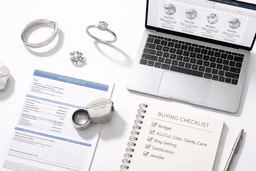
Certification is the most reliable way to confirm that a lab grown diamond is genuine. A certified lab grown diamond earring comes with a report that clearly states its origin and quality.
Trusted Certification Bodies (IGI, GIA, GCAL)
Reputable certification bodies like IGI, GIA, and GCAL examine diamonds and issue detailed reports. These reports confirm whether a diamond is lab grown and include key quality details.
How to Verify a Lab Grown Diamond Certificate Online
Most trusted labs allow you to verify certificate numbers on their official websites. Always check that the certificate details match the earrings you are buying.
Red Flags in Fake or Missing Certificates
Be cautious if a seller does not provide certification, uses an unknown lab, or avoids sharing certificate details. These are clear warning signs.
Examine the Earring Quality and Craftsmanship
Inspecting the Diamond Cut, Clarity, and Sparkle
A real lab grown diamond reflects light sharply and evenly. If the stone looks dull or overly colourful, it may not be a diamond.
Checking the Metal Setting and Hallmarks
Genuine lab grown diamond earrings are usually set in quality metals such as gold or platinum and include proper hallmarks.
Weight and Feel of Genuine Lab Grown Diamond Earrings
Diamonds have a specific weight and density. Earrings that feel too light may contain fake stones.
Signs of Poor Craftsmanship in Fake Earrings
Loose stones, uneven prongs, visible glue, or rough edges often indicate fake or low-quality jewellery.
Know the Right Price Range
Average Cost of Genuine Lab Grown Diamond Earrings
Lab grown diamonds cost less than natural diamonds, but they still have real value. Prices depend on size, quality, and design.
Why Prices That Are Too Low Are a Warning Sign
If the price seems unrealistically low, the earrings are likely not genuine lab grown diamonds.
Comparing Prices Across Reputable Sellers
Comparing prices from well-known jewellers helps you understand the market and avoid scams.
Understanding Discounts Without Falling for Scams
Legitimate discounts still include certification, warranties, and return policies. Missing these details is a red flag.
Buy Only from Trusted and Reputable Sellers
Choosing Certified and Established Jewellery Brands
Well-established jewellers are more likely to sell genuine products and provide full documentation. The same careful approach applies when buying a lab diamond ring, where certification and seller reputation are just as important.
Importance of Brand Reputation and Transparency
Trusted sellers clearly explain the diamond’s origin, pricing, and certification without hiding information.
Checking Customer Reviews and Ratings
Reviews can be helpful, but they should always be supported by proper certification and product transparency.
Why Local Jewellers with Certification Can Be Safer
Local jewellers allow in-person inspection and provide verified documents, reducing the risk of fraud.
Ask the Right Questions Before Buying
Questions About Diamond Origin and Growth Method
Ask whether the diamond is lab grown and which method was used. The answer should match the certificate.
Asking About Return, Refund, and Exchange Policies
Reliable jewellers always offer clear and fair return policies.
Warranty and After-Sales Support Details
After-sales support such as cleaning or repairs shows confidence in product quality.
Requesting Written Proof and Documentation
Always request written proof, including the original certificate and invoice.
Simple Tests to Spot Fake Lab Grown Diamond Earrings
Visual Inspection and Sparkle Test
Real diamonds sparkle sharply and clearly under light. Blurry or dull sparkle can indicate a fake stone.
Fog Test and Water Test
Basic tests like fogging or water tests can offer clues, but they are not always reliable.
Why At-Home Tests Are Not Always Reliable
Some fake stones can pass home tests. Professional testing is more accurate.
When to Get Professional Diamond Testing
If you are unsure, take the earrings to a certified gemologist for proper testing.
Online Shopping Tips to Avoid Fake Lab Grown Diamond Earrings
What to Look for on Product Pages
Look for certification details, high-quality images, and full product descriptions.
Importance of High-Quality Images and Videos
Clear photos and videos help you inspect the product before buying.
Secure Payment and Authenticity Guarantees
Secure payment options and authenticity guarantees provide extra protection.
Avoiding Social Media and Marketplace Scams
Be careful with heavily discounted jewellery sold through social media or online marketplaces. These risks apply not only to earrings but also to items like lab grown diamond bracelets, which are often targeted by fake sellers.
Final Tips to Stay Safe When Buying Lab Grown Diamond Earrings
Always Choose Certification Over Claims
Never rely on words alone. Certification is essential.
Trust Transparency, Not Just Marketing Words
Honest sellers provide clear information and proper documents.
When in Doubt, Walk Away from the Deal
If something feels suspicious, it is better to walk away than risk buying a fake.
Latest Posts